
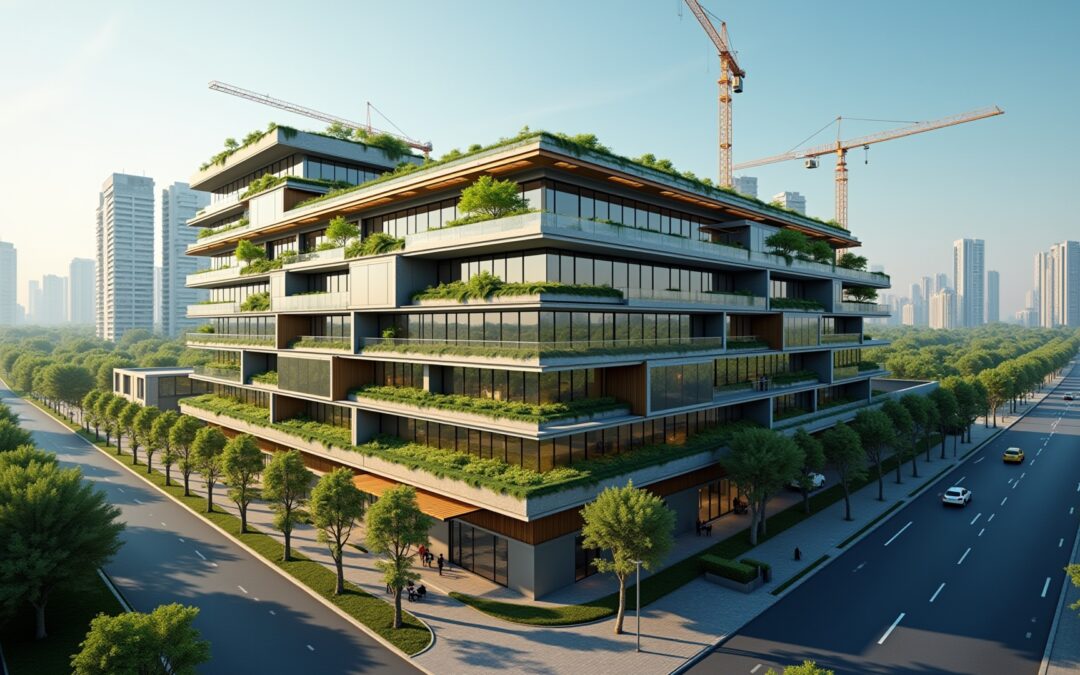
North India is rapidly positioning itself as a pivotal growth corridor in the nation’s green building landscape, marking a significant real estate inflection point driven by sustainability, regulatory evolution, and market demand. This shift reflects more than environmental consciousness; it underscores a strategic recalibration by developers, investors, and urban planners intent on future-proofing assets in an increasingly ESG-driven real estate ecosystem.
The rise of green buildings across North India encapsulates a comprehensive industry response to the imperatives of energy efficiency, eco-friendly construction materials, and sophisticated resource management technologies. These elements are no longer peripheral considerations but core to the value proposition for institutional capital and occupiers alike, who seek resilient assets delivering sustainable returns and reduced operational costs.
Integrating Sustainability with Urban Growth and Infrastructure
This green building momentum dovetails with the broader urban growth patterns predominantly driven by tier II and tier III cities across North India. Enhanced infrastructure connectivity and urban amenities are unlocking new corridors for development where the sustainability quotient adds measurable value. Developers in these regions are capitalizing on this dual momentum, harmonizing eco-conscious design with strategic location advantages to improve property valuations and enhance leasing velocity.
Investor and REIT Interest: Capitalising on ESG-Centric Assets
From an investment standpoint, the green building trend is reshaping capital flows into North India’s real estate. REITs and institutional investors are increasingly prioritizing assets with strong ESG credentials due to their resilient cash flows, lower regulatory risk, and appeal to global capital pools focused on responsible investing. For the institutional investor and developer community, green buildings represent both a risk mitigation strategy and a competitive differentiator in acquisition and leasing markets.
Strategic Advantages for Developers and Occupiers
For developers, embedding green building standards is a pathway to establish leadership in what is quickly becoming a compliance and market-driven requirement. The use of advanced digital building management systems not only enhances energy and water efficiency but also aligns with tenant expectations for health, well-being, and corporate responsibility programs.
Occupiers, particularly GCCs and large enterprises championing sustainability agendas, are directing their demand toward Grade A office spaces and commercial developments that comply with green certifications. This tenant preference is elevating leasing demand and occupancy rates for eco-certified assets, directly impacting rental premiums and long-term asset value.
Policy, Technology, and Infrastructure as Accelerators
Government incentives, evolving regulatory frameworks, and improvements in digital technology adoption are key enablers accelerating the green building wave across North India. Stakeholders who proactively integrate these factors into project planning and execution can achieve enhanced returns and secure competitive advantages amid tightening environmental norms and growing public awareness.
Looking Ahead: A Roadmap for Sustainable Real Estate Leadership
The trajectory for North India’s real estate sector is increasingly intertwined with sustainable urban development principles. To capitalize on this opportunity, developers, investors, and policymakers must cultivate synergy between green building initiatives, infrastructure investments, and technology integration.
Embracing green building practices in North India is no longer optional but a strategic mandate. It enables the creation of resilient, high-quality assets that meet ESG mandates, attract premium capital, and satisfy evolving tenant demands. For real estate leaders, this trend offers a chance to lead India’s urban transformation while securing economic value and long-term market relevance.