
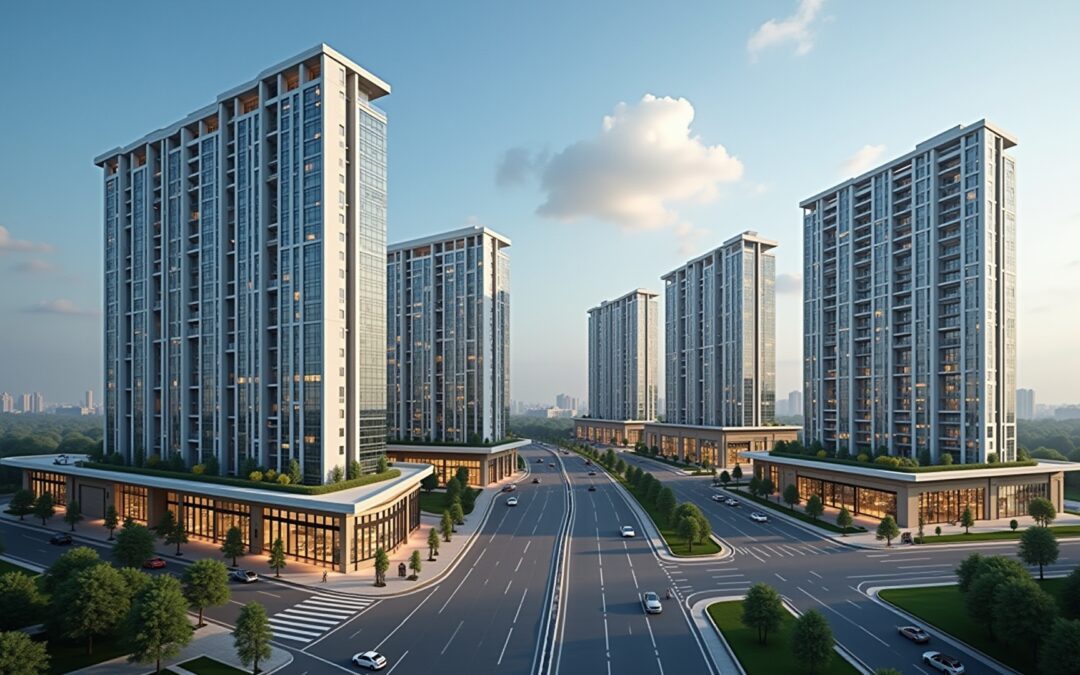
The luxury residential real estate landscape in India is undergoing a significant shift, moving beyond traditional metropolitan strongholds to embrace emerging tier II cities, with Nagpur prominently positioned at the forefront of this evolution. This transition reflects more than mere geographic dispersion; it manifests a strategic transformation in residential real estate that offers distinctive opportunities for developers, investors, and urban planners fostering long-term asset value and market diversification.
Nagpur’s ascent as a luxury housing destination illustrates critical market dynamics shaped by rising affluence, improving urban infrastructure, and evolving lifestyle expectations among premium homebuyers. Unlike saturated metros with constrained land availability and escalating costs, Nagpur presents a compelling value proposition with growing demand supported by macroeconomic tailwinds and targeted infrastructure investments enhancing connectivity and livability.
Strategic Market Implications for Developers
For real estate developers focusing on residential luxury, Nagpur offers a dual strategic advantage: access to an emerging affluent demographic underserved by existing offerings, alongside lower acquisition and development costs relative to primary metropolitan markets. The city’s ongoing urban development initiatives, including highway expansions and enhanced public transit systems, underpin sustainable appreciation potential, making it a prime target for long-term luxury residential projects.
Moreover, developers can innovate with product differentiation tailored to the unique preferences of Nagpur’s luxury consumer profile, aligning with broader trends of premiumisation seen nationwide. Such initiatives can include integrated green building practices, modern amenities, and community-centric designs that resonate with discerning buyers prioritizing sustainability and quality of life.
Investment and Institutional Capital Perspectives
From an investment standpoint, Nagpur’s evolving luxury real estate scene piques the interest of institutional investors, including REITs and private equity funds, increasingly seeking diversification beyond conventional metro markets. The city’s improving economic fundamentals and growing residential demand enhance the attractiveness of luxury assets as stable, high-quality additions to institutional portfolios.
Early movers in Nagpur benefit from acquiring assets at lower entry points, enabling better yield prospects and capital appreciation aligned with the city’s growth trajectory. These factors collectively signal Nagpur as an emerging node for residential real estate investment, offering portfolio resilience through geographic and demographic diversification.
Urban Infrastructure as a Catalyst for Sustainable Growth
Nagpur’s luxury real estate maturation is closely connected to its proactive urban infrastructure strategy. Investments targeting transportation connectivity — including expanded highway networks and upgraded public transit — significantly enhance accessibility both within the city and to major economic corridors. Concurrently, municipal emphasis on integrating sustainable urban planning ensures new developments align with national green building standards and buyers’ evolving expectations.
This integration of real estate development with urban planning underscores the necessity for real estate stakeholders to align projects with broader infrastructural and regulatory frameworks. Sustainable amenities and modern civic services bolster Nagpur’s competitive positioning, elevating it as a preferred luxury residential market beyond traditional metro centers.
Broader Industry Impact and Strategic Outlook
Nagpur exemplifies a broader strategic pivot toward tiered residential real estate growth strategies in India, balancing saturation in metros with the untapped potential in tier II cities. For developers and capital market participants, this signals a need to recalibrate market approaches — innovating luxury products responsive to new consumer segments and local urban realities.
Moving forward, positioning Nagpur as a key growth corridor requires leveraging its infrastructural progress, demographic shifts, and evolving consumer preferences to maximize asset quality and market differentiation. Stakeholders who capitalize on these trends early can harness first-mover advantages, enhanced pricing power, and long-term competitiveness within an expanding segment of India’s residential real estate.
In summary, Nagpur’s emerging luxury real estate market presents a strategic case study of how coordinated infrastructure development and shifting demand demographics drive new premium housing corridors in India. For industry leaders, this underscores the importance of viewing tier II cities not simply as extensions of metro markets, but as distinct growth engines necessitating innovative development and investment models to realize their potential within India’s expanding real estate ecosystem.