
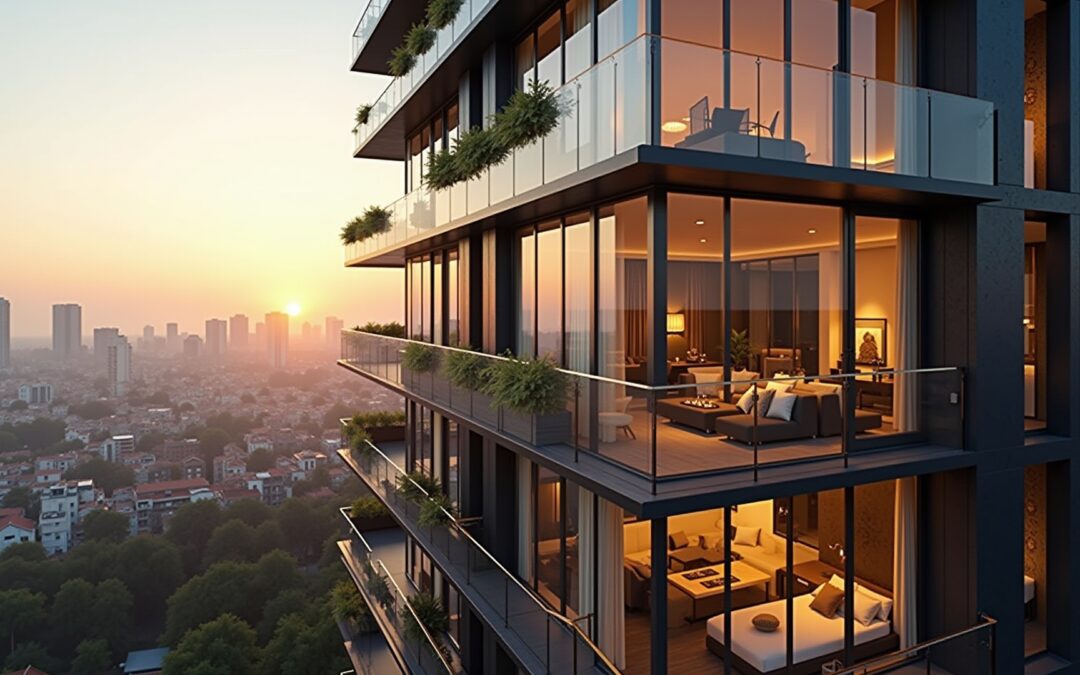
Luxury residential real estate in India continues to demonstrate resilience and strategic significance, as evidenced by the recent acquisition of multiple high-value apartments in Mumbai’s Bandra neighborhood by Pooja Dadlani, a notable figure in the country’s entertainment sector management. The purchase of three luxury apartments valued at Rs 38.21 crore, along with additional residences for her immediate family, is more than a transaction—it is a decisive indicator of enduring confidence in premium urban housing assets in India’s key micro-markets.
Bandra remains a coveted precinct within Mumbai’s real estate ecosystem, prized for its superior infrastructure, well-established connectivity, and upscale lifestyle amenities. The strategic clustering of multiple luxury apartment acquisitions signals a sophisticated wealth preservation and portfolio diversification strategy among high-net-worth individuals (HNIs), who increasingly seek discrete, high-quality asset ownership within select urban nodes.
From an industry perspective, these transactions exemplify several critical themes shaping India’s residential real estate sector today. First, they reaffirm the premium segment’s ability to sustain demand despite macroeconomic uncertainties and evolving market dynamics. This bodes well for developers maintaining robust pipelines in the luxury residential category, particularly in established urban corridors where asset quality and location continue to underpin pricing power.
Second, the consolidation of multiple luxury units into single ownership portfolios reflects a nuanced buyer mindset that values integrated, scalable real estate investments. For developers and investors, this underscores the importance of offering differentiated product lines that cater to high-value buyer segments seeking both exclusivity and long-term appreciation potential.
Moreover, the interplay between luxury residential demand and enhancements in urban infrastructure highlights the necessity for real estate stakeholders to prioritize micro-market selection and asset quality. Bandra’s blend of cultural cachet, infrastructure development, and lifestyle conveniences sets a benchmark for developers aiming to sustain premiumisation trajectories in other growing urban markets.
For leadership and decision-makers, these transactions invite a re-examination of strategic factors such as local connectivity, amenities, sustainability standards, and asset stewardship. They also illustrate how luxury residential real estate can serve as a vehicle for long-term urban property growth and market segmentation, supporting a differentiated investment landscape where institutional and HNI interests converge.
Looking ahead, the ongoing demand for luxury apartments in metro micro-markets like Bandra offers valuable insights into broader urban growth and capital flows. Developers and investors who adopt a micro-market focused approach and emphasize asset quality will be well-positioned to capture value from India’s expanding affluent buyer base, contributing to sustainable urban development and premium residential real estate growth.
In summary, this consolidation of luxury properties underscores the premium residential sector’s strategic role within India’s real estate landscape, reflecting both investor confidence and the critical importance of micro-market expertise. This trend not only sustains the sector’s momentum but also shapes future development and investment strategies aligned with the evolving priorities of high-net-worth individuals and institutional players alike.