
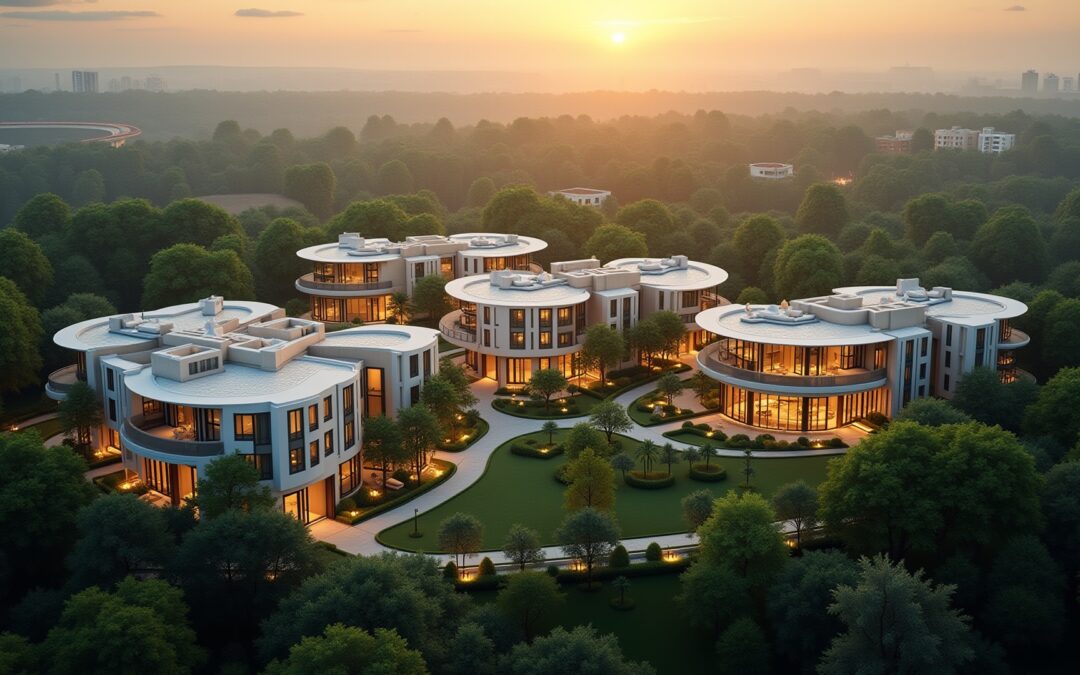
The sale of Katherine Heigl’s expansive 25-acre mountain estate in Utah transcends celebrity lifestyle shifts and offers a lens into evolving trends within high-value residential real estate. For developers, investors, and urban-growth leaders, this move signals critical insights about the strategic management, market dynamics, and future potential of large-format luxury residential properties, particularly those located outside prime urban centers.
While at face value this transaction may appear as a personal real estate decision, it draws attention to broader shifts influencing asset repositioning, lifestyle preferences of high-net-worth individuals (HNWIs), and demand for exclusive, destination-like properties. These changing dynamics are especially pertinent for stakeholders navigating the intersection of luxury housing, urban expansion, and infrastructure development.
Strategic Considerations for Premium Residential Assets
Large rural or peri-urban estates such as the 25-acre Utah property require sophisticated asset stewardship focused on long-term appreciation, infrastructural integration, and development versatility. In contexts like India, a parallel trend is evident, where tier II and tier III cities are emerging as focal points for luxury residential investment due to enhanced connectivity and infrastructure upgrades.
This premiumisation trend extends housing demand beyond metropolitan cores, attracting both domestic and NRI investors seeking exclusivity without sacrificing accessibility. For developers and investors, these patterns underscore the necessity of aligning high-value projects with evolving lifestyle aspirations—encompassing preferences for spaciousness, privacy, experiential living, and sustainability.
Market Growth and Development Strategy Implications
The decision by a high-profile owner to sell a sizeable estate highlights a critical recalibration among stakeholders. It points to a strategic evaluation of holding large land parcels versus capitalising on diversified, multi-product real estate ventures with a broader appeal. Real estate developers and township planners should monitor such shifts closely to balance products that address affordability alongside luxury, exclusivity alongside infrastructural expansion.
Moreover, there is growing opportunity to develop gated communities and amenity-rich residential enclaves that embed strong sustainability credentials. High-net-worth buyers now prioritise environmental impact and experiential quality, making such attributes essential for future-proofing large-format luxury developments.
Forward-Looking Insights for Indian Real Estate Stakeholders
Katherine Heigl’s estate sale provides a valuable case study for Indian market participants as they chart residential real estate growth. It underscores the need for strategic land acquisition and development foresight that accounts for evolving preferences around scale, connectivity, and sustainability.
Infrastructure improvements and enhanced urban-rural linkages are increasingly unlocking premium housing segments beyond conventional city cores. This shift creates demand for differentiated housing models that blend spacious, high-quality living environments with modern amenities and responsible development practices.
For developers, investors, and policymakers, attentiveness to these trends will be crucial in identifying and capitalising on emerging opportunities within luxury and mid-market residential sectors alike. The confluence of rising infrastructure capabilities, demographic migration patterns, and sustainability expectations redefines asset viability, market timing, and capital deployment strategies.
Conclusion
The sale of Katherine Heigl’s Utah mountain estate is more than a notable real estate transaction; it exemplifies transformative themes in premium residential real estate that resonate with India’s growth trajectory and the global evolution of luxury housing. As urbanisation corridors expand and infrastructure modernises, large-format estates and destination properties will require nuanced, strategic stewardship to unlock their full potential.
Real estate leaders must therefore embrace sophisticated asset management approaches that balance exclusivity, accessibility, and sustainability. By doing so, they can sustainably capture value from this evolving segment, catering effectively to discerning buyers and investors seeking scalable luxury in a contemporary, interconnected world.