
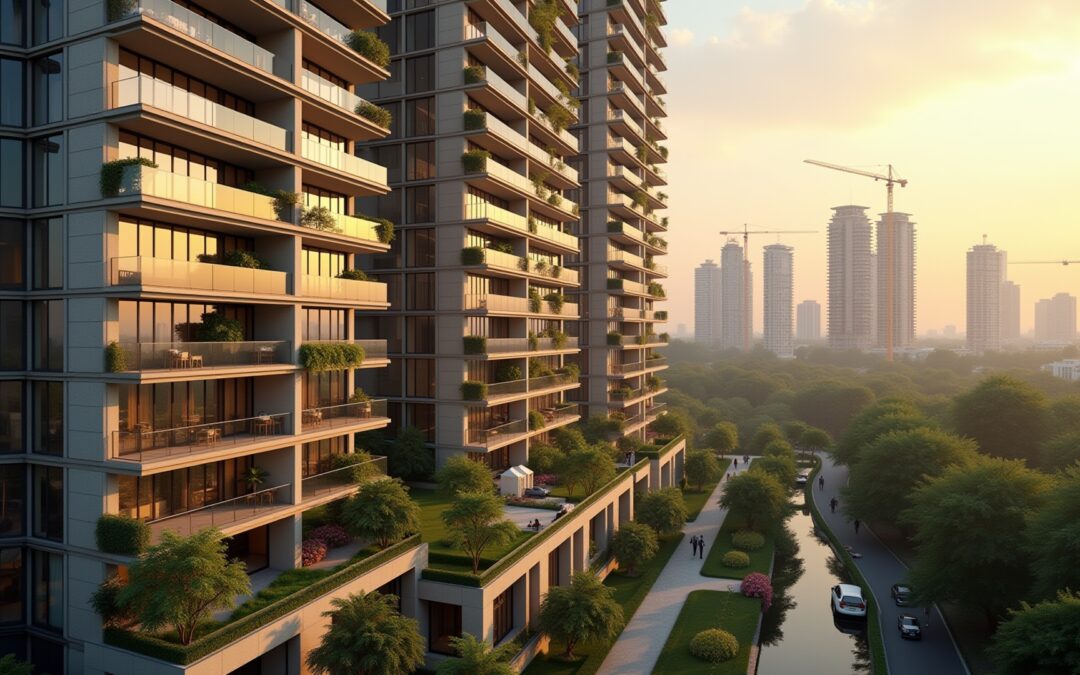
India’s real estate sector is experiencing a subtle yet impactful transformation marked by a growing inclination toward luxury residential developments. This trend is not merely a reflection of rising aspirations but a strategic pivot that is reshaping development priorities, investment strategies, and urban growth patterns. For developers, investors, and institutional stakeholders, understanding this luxury premiumisation in India’s property market is crucial to navigating its evolving landscape effectively.
Current Dynamics in India’s Residential Real Estate
Traditionally, India’s residential market has been segmented into affordable, mid-income, and premium categories, each catering to distinct demographic and economic profiles. However, recent data signals a discernible acceleration in the luxury segment, especially in well-established metros and select tier II cities benefiting from enhanced infrastructure and growing purchasing power.
This shift is underpinned by several factors: increasing urban affluence, greater lifestyle aspirations, and developers’ strategic emphasis on differentiated, amenity-rich products aimed at discerning buyers. Moreover, infrastructure investments—including improved connectivity and integrated lifestyle ecosystems—are elevating the attractiveness and feasibility of luxury projects, thereby enabling higher margin opportunities.
Strategic Implications for Developers and Investors
The rising demand for luxury housing has profound implications on how developers calibrate their project portfolios and approach land acquisition. Premium developments generally require stringent execution standards, superior design and sustainability practices, and a focus on location quality that supports long-term value appreciation.
From an investment standpoint, luxury residential real estate presents a compelling case for portfolio diversification, offering higher yield potentials favored by institutional investors such as REITs and sovereign wealth funds. Yet, this segment carries inherent risks related to economic cycles and regulatory environments, necessitating disciplined capital deployment and robust risk management frameworks.
Developers must also reckon with evolving consumer expectations around sustainability and digital integration. Implementing green building standards and leveraging proptech for seamless buyer engagement can further enhance competitive positioning in this premium bracket.
Broader Impact on Urban Growth and Commercial Real Estate
The premiumisation of residential real estate does not occur in isolation but intertwines deeply with urban growth trajectories and the commercial property sector. Metros and emerging tier II cities witnessing luxury housing growth are simultaneously experiencing demand for high-quality office spaces, upscale retail environments, and mixed-use developments tailored to affluent demographics.
This ecosystem effect catalyzes a more segmented and sophisticated urban property market, where luxury projects coexist with ongoing demand for affordable and mid-segment housing, reinforcing a multi-tiered market structure essential for inclusive urban development.
Conclusion: Positioning for a Luxury-Driven Real Estate Future
India’s tilt toward luxury housing signals a strategic inflection point for the real estate industry. Developers and investors poised to succeed will be those who not only capitalize on elevated demand but also embed execution excellence, sustainability, and urban integration into their offerings.
Looking ahead, maintaining a balanced portfolio that addresses the full spectrum of housing needs will be vital. Stakeholders who anticipate nuanced market shifts and align with evolving consumer preferences will unlock sustainable growth and resilience amid changing economic and policy landscapes.
In essence, the luxury real estate trend in India is a strategic evolution—one that requires leadership foresight, market agility, and a commitment to quality that collectively redefine real estate development and investment in the country.