
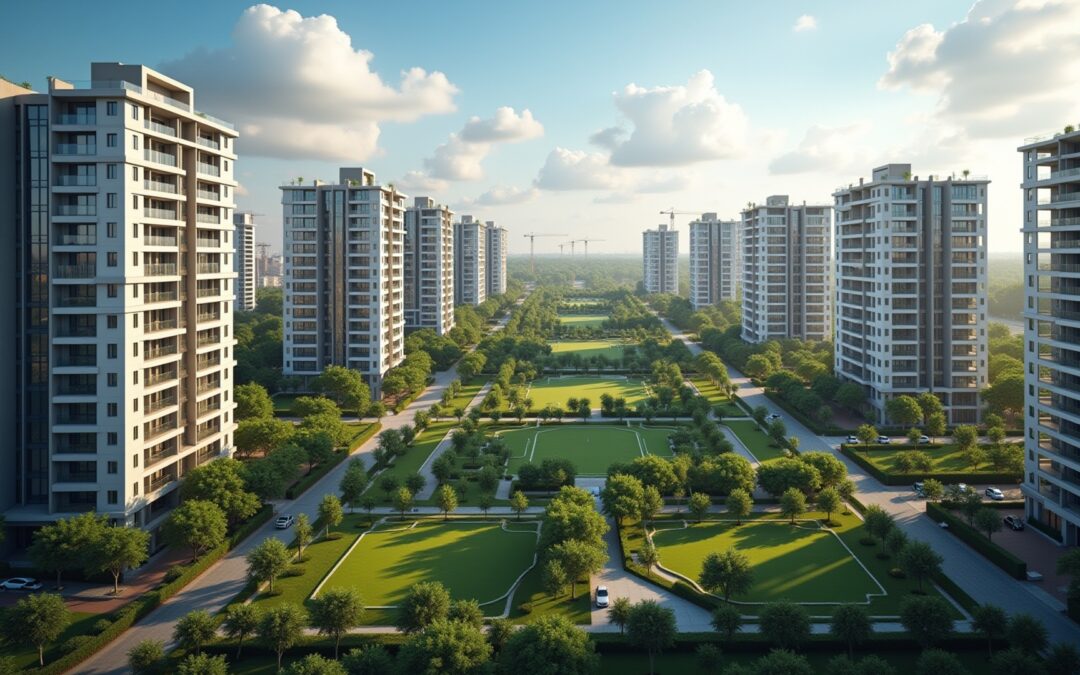
As India’s real estate sector enters 2026, the housing market stands at the threshold of transformative change driven by evolving demographic demands, technological innovation, urban infrastructure expansion, sustainability imperatives, and forward-looking policy reforms. For residential developers, institutional investors, urban planners, and capital market participants, a nuanced understanding of these intersecting forces is essential to navigate risk, optimise asset value, and capture growth opportunities across India’s diverse urban landscape.
Affordable and Mid-Income Housing: The New Growth Frontier
While luxury housing continues to cater to premium segments, robust demand and faster absorption rates are now increasingly coming from affordable and mid-income housing, particularly in Tier II and Tier III cities. This shift is propelled by rising urbanisation, expanding middle-class populations, and targeted government initiatives that incentivise scalable, cost-efficient projects. For developers and investors, this evolving demand profile calls for strategic product segmentation and operational agility to serve a broader demographic with tailored offerings that balance affordability with quality and amenity expectations.
Proptech Adoption: Redefining Buyer Engagement and Operational Efficiency
The integration of proptech is no longer optional—it’s a strategic imperative for stakeholders aiming to enhance market intelligence, streamline transactions, and personalise buyer journeys. Advanced data analytics enable more precise market forecasting and risk assessment, while virtual property tours and end-to-end digital transaction platforms accelerate sales cycles and reduce friction. As digital enablement becomes deeply embedded across the housing value chain, developers and investors can expect improved decision-making, heightened competitiveness, and new avenues for customer engagement.
Embedding Sustainability to Enhance Asset Quality and Market Position
Sustainability has transitioned from regulatory compliance to a core value driver in residential real estate development. Green building certifications, energy-efficient designs, and the adoption of sustainable materials are increasingly influencing buyer preferences and capital allocation. Projects that integrate environmental considerations can tap into premium pricing and enjoy better long-term asset appreciation, aligning with both market demand and escalating regulatory standards. This emphasis places sustainability at the heart of future-proofing investment portfolios and elevating the social license to operate.
Urban Infrastructure Catalysing Geographic Diversification
Significant infrastructure investments—including expanded metro networks, highways, and enhanced utilities—are reshaping housing demand beyond traditional metropolitan hubs towards emerging corridors in smaller cities and peri-urban areas. This geographic diversification presents strategic opportunities for land acquisition and township developments that leverage improved connectivity and quality of life enhancements. Developers targeting these growth corridors must integrate urban planning insights and infrastructure timelines to synchronise supply with rising demand and ensure competitive advantage.
Policy and Regulatory Reforms: Building Confidence and Market Transparency
Government reforms aimed at enhancing transparency, expediting approvals, and strengthening buyer protections are incrementally producing a healthier and more predictable market environment. For developers and investors, proactively assimilating these regulatory changes is critical for mitigating project delivery risks and fostering buyer trust. This evolving policy landscape also incentivises formalisation and compliance, ultimately contributing to smoother project execution and accelerated time-to-market.
Conclusion
India’s housing market in 2026 will be characterised by a confluence of affordability-driven growth, digital transformation, sustainability integration, infrastructure-led geographic expansion, and regulatory clarity. Real estate leaders who strategically embed these trends within their development pipelines, investment theses, and operational models will be best positioned to capitalise on emerging opportunities while enhancing asset resilience and market relevance. This strategic alignment will be essential for sustaining competitive advantage and supporting India’s broader urban and economic growth trajectory in the near to medium term.