
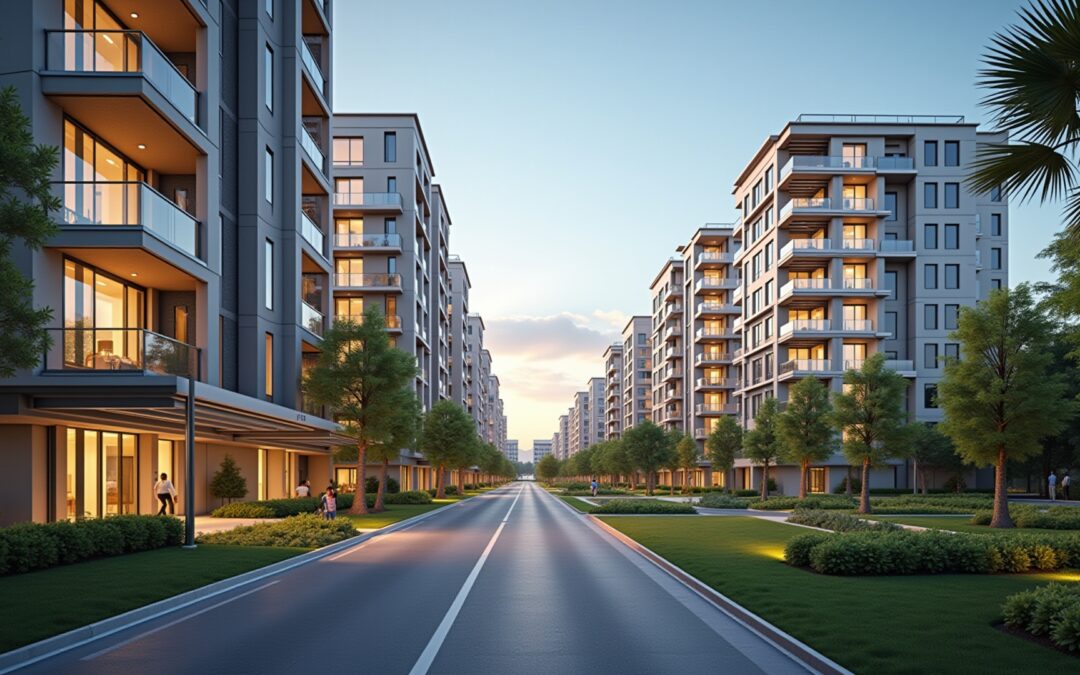
The recent expansion of House of Swamiraj into India’s residential housing sector reflects a strategic evolution in a market that is rapidly maturing and diversifying. Traditionally celebrated for its excellence in architecture and interior design, the firm’s broadened scope indicates a nuanced business transformation from pure design services to integrated residential development partnerships. This development carries important implications for developers, investors, and urban planners shaping India’s housing landscape.
Design-Led Integration as a Strategic Differentiator
House of Swamiraj’s progressive move signals a critical shift toward embedding sophisticated design innovation at the heart of residential development projects. This approach is poised to elevate mid to premium housing segments by enhancing not only aesthetic appeal but also functional utility and sustainability resilience—factors increasingly valued by discerning buyers and institutional investors alike.
For real estate developers, this integrated philosophy urges a reevaluation of conventional project models. The incorporation of architectural finesse, interior sophistication, and urban contextual understanding now emerges as a fundamental lever to create projects with strong market positioning and differentiated asset quality.
Strategic Implications for Market Leadership and Investment
This expansion invites stakeholders to consider the wider business impact of design-centric residential development. Elevated design quality can drive higher absorption rates and pricing power, while also supporting long-term occupancy and asset stewardship, critical for institutional investment and REIT viability.
Moreover, House of Swamiraj’s evolution into a broader housing-market role reflects a growing industry trend where cross-disciplinary expertise—spanning architecture, interiors, and urban design—becomes indispensable for capturing diverse housing demand across India’s stratified residential segments.
Urban Growth, Geographic Diversification, and Sustainability
India’s tier II and III cities are fast becoming pivotal growth engines, spurred by infrastructure upgrades and shifting demographic preferences. House of Swamiraj’s regional expansion aligns with this shift, providing developers with collaborators attuned to local urban dynamics and resident expectations.
Critically, the firm’s emphasis on innovative design intersects with escalating sustainability imperatives. Green buildings and energy-efficient solutions supported by architectural and interior strategies enhance project credentials in a market increasingly influenced by regulatory incentives and institutional ESG considerations.
Conclusion: Strategic Takeaways for India’s Residential Real Estate Ecosystem
For executives steering residential development, investors targeting housing assets, and policymakers guiding urban growth, House of Swamiraj’s expanded engagement offers key insights. Competitive advantage in India’s evolving housing sector will derive from embracing design-led differentiation, sustainability integration, and agile adaptation to emerging urban geographies.
Partnerships with firms possessing holistic design and development capabilities can bolster asset value, enhance pricing resilience, and ensure long-term relevance in a marketplace marked by diverse buyer profiles and intensifying quality expectations. This strategic trajectory underscores the increasing need to blend creativity with business acumen to thrive in India’s dynamic residential real estate arena.