
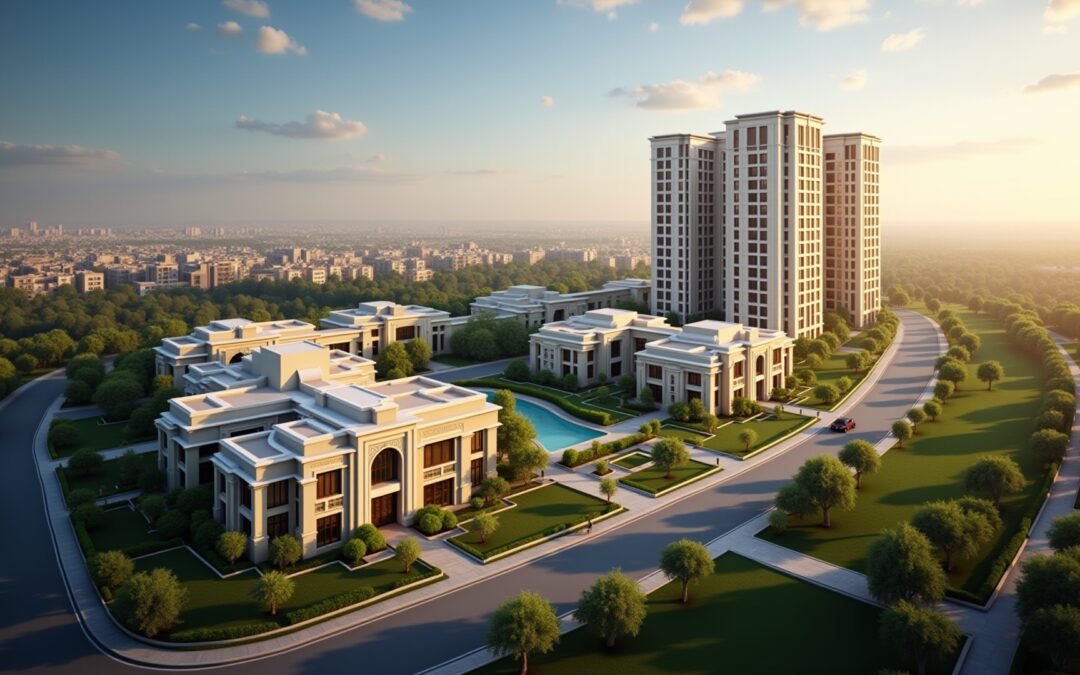
Jaipur, long esteemed for its cultural heritage and vibrant tourism, is undergoing a significant transformation that transcends its traditional identity. Emerging as a luxury real estate destination, the city is redefining growth patterns within India’s residential property market, with far-reaching implications for developers, investors, and urban strategists targeting tier II cities.
This evolution is not just an aesthetic upgrade but a strategic recalibration of Jaipur’s urban and real estate landscape, fueled by rising premium housing demand, infrastructural enhancements, and shifting investment flows. Understanding this shift offers critical insights into the changing contours of India’s real estate opportunity map and the growing prominence of non-metro luxury markets.
Luxury Residential Development Anchored in Urban Growth
Traditionally, Jaipur’s real estate centered on moderate residential projects aligned with its tourism-driven economy. However, the surge in luxury housing projects aimed at high-net-worth individuals underscores a maturing market dynamic. Developers are increasingly blending heritage-infused design with contemporary amenities, catering to discerning buyers seeking exclusive urban lifestyles beyond metros like Mumbai and Bengaluru.
Key to this luxury market’s expansion is Jaipur’s improving infrastructure—upgrades in roads, expressways, and utilities enhance connectivity and quality of life, fortifying the city’s appeal. These infrastructural advancements are pivotal not just for immediate development but in sustaining long-term asset quality and occupier demand, critical considerations for attracting institutional capital and potential REIT interest.
Strategic Implications for Real Estate Stakeholders
For developers, Jaipur’s rise signals the necessity to recalibrate land acquisition and project planning strategies. The city demands a thoughtful integration of luxury aesthetics with sustainable urban functionality to ensure competitiveness in premium segments. The scope for robust price appreciation coupled with healthy absorption rates positions Jaipur’s luxury real estate as a compelling business proposition in an evolving market.
Investors gain a unique diversification avenue as Jaipur offers capital appreciation prospects linked to demographic shifts and infrastructure-led growth, differentiating itself from saturated metro markets. The city’s emerging profile as a luxury hub within a tier II context challenges traditional concentration of capital and invites a strategic reallocation of investments.
Urban Infrastructure: The Growth Catalyst
In Jaipur, the expansion of transport networks and essential urban utilities is reinforcing the city’s viability as a premium housing market. These developments underpin sustainability and operational efficiency—key requisites for institutional investment and the potential rise of REIT-backed luxury housing clusters. Enhanced urban infrastructure supports not only connectivity but also the delivery of a high standard of living, essential for long-term asset value preservation.
Positioning Jaipur Within India’s Expanding Real Estate Framework
Jaipur’s emergence is emblematic of a broader trend where tier II cities increasingly capture luxury and premium housing demand, fragmenting real estate growth beyond traditional metros. This shift necessitates strategic foresight from decision-makers in land strategy, development execution, and capital allocation, seeking to capitalize on emerging tier II market dynamics.
The city’s ability to sustain growth will depend on its commitment to sustainability standards, integration with urban infrastructure projects, and adherence to international quality benchmarks. Reimagining Jaipur not merely as a heritage tourism city but as a sophisticated urban ecosystem aligns with India’s larger narrative of inclusive urban development and real estate diversification.
In sum, Jaipur’s luxury real estate trajectory offers a potent case study in how infrastructure-driven urban transformation can unlock new investment and development opportunities in tier II cities. For real estate leaders, investors, and policy makers, this signals a strategic pivot point requiring nuanced understanding and proactive engagement to harness evolving market potential.