
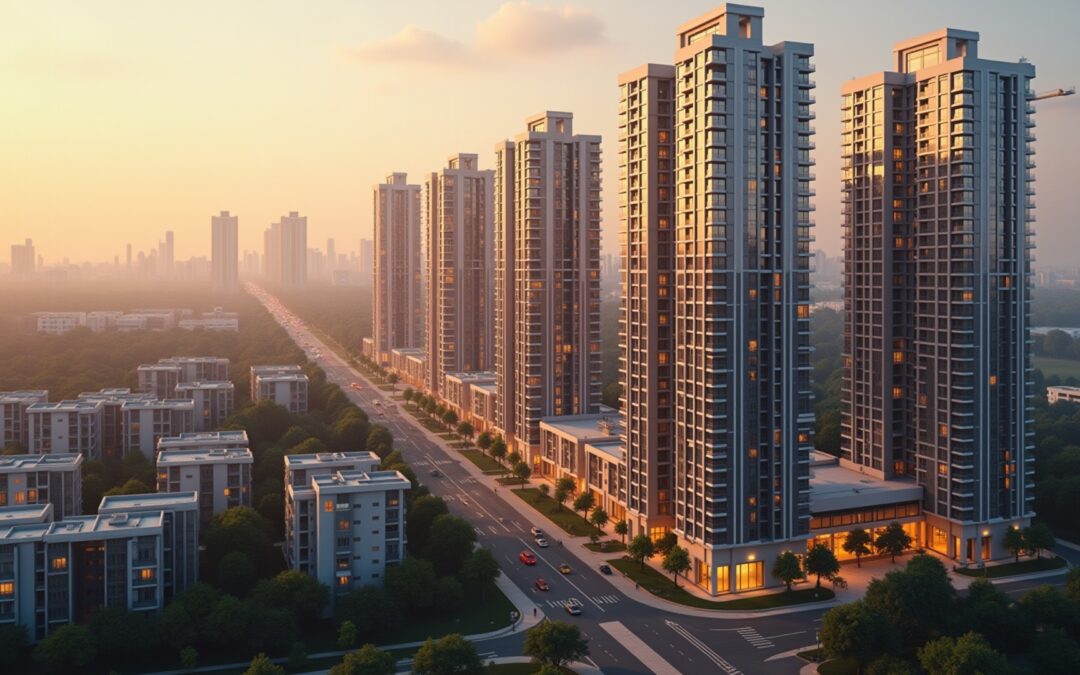
India’s real estate market is currently navigating a critical phase where luxury housing demonstrates robust growth despite inflationary headwinds, while the affordable segment confronts mounting pressures that could reshape the broader development landscape. This bifurcation is more than just a pricing phenomenon; it signals strategic inflection points for developers, investors, urban planners, and policymakers aiming to build resilient portfolios and inclusive urban ecosystems.
Luxury Residential Growth: A Beacon of Pricing Power and Investor Confidence
Luxury housing in India is thriving on sustained demand from high-net-worth individuals and institutional capital that prioritise asset quality, prime locations, and integrated lifestyle offerings. This segment has benefited from its inherent pricing power, enabling developers to absorb rising input costs without compromising margins. The premium housing category’s stability presents a compelling investment narrative amid broader economic uncertainties, underpinning its appeal as a steady source of predictable cash flows and asset appreciation.
Affordable Housing: Inflationary Challenges Threaten Volume and Viability
Conversely, the mid- and low-income housing segments—critical drivers of India’s urbanisation and inclusive growth—face significant inflationary strains. Escalating raw material prices, skewed supply chains, and labour cost volatility inflate project costs, eroding affordability for end-buyers who are inherently price-sensitive. This dynamics risks dampening sales velocity and extending project timelines, raising the stakes for developers to innovate around cost structures and construction efficiency.
Strategic Implications for Industry Stakeholders
- Developers: Amid inflationary pressures, developers must pivot to robust cost-optimization techniques and value-engineered design in affordable housing, balancing profitability with quality to sustain scale. Concurrently, leveraging premium project margins can subsidise innovation in the affordable segment, creating a diversified portfolio that hedges risk.
- Investors & REITs: The contrast between luxury and affordable segments crystallizes differentiated risk-return profiles, guiding capital allocation. Institutional investors and REIT managers may prioritize premium housing and mid-income urban assets with stable occupancy and cash flows while advocating for regulatory frameworks that underpin affordable housing viability.
- Urban Planners & Policymakers: Ensuring balanced urban growth necessitates calibrated incentives, infrastructure augmentation, and policy support for affordable housing corridors. This approach mitigates the risk of market segmentation and spatial inequality, preserving equitable city expansion.
- Market Outlook: The evolving housing dynamics urge a recalibration of real estate portfolios toward resilient, inflation-hedged asset classes. The juxtaposition of luxury strength and affordable challenges will shape long-term urban growth trajectories and investment flows.
Looking Ahead: Navigating Divergent Housing Realities
India’s real estate leadership must harness strategic foresight to reconcile these contrasting trends. The pathway forward lies in embracing digital construction technologies, sustainable materials, and financing innovations that improve cost efficiencies, accelerate delivery, and enhance affordability without compromising asset quality. As luxury housing continues to attract premium capital, expanding affordable housing through smart execution will be critical to inclusive market development and social equity.
The road ahead demands agility, collaboration, and policy alignment to build a real estate ecosystem that supports diversified housing needs, robust investment returns, and sustainable urban growth. Developers, investors, and policymakers who master this balance stand to shape India’s real estate market leadership in the decade to come.