
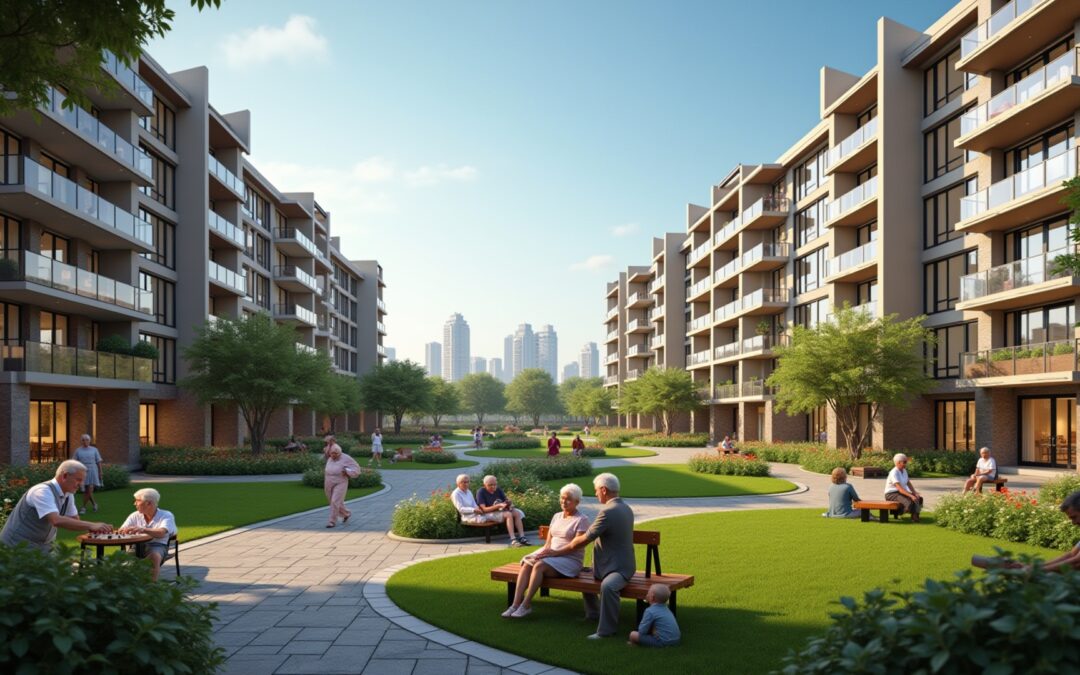
India’s residential real estate landscape is evolving in response to demographic and socio-economic shifts, with senior living communities emerging as a strategic growth segment. As the country faces a rapidly aging population, these purpose-built developments offer not just accommodation but integrated lifestyle solutions that cater specifically to the elderly. This nascent but rapidly maturing sector presents unique opportunities—and challenges—for developers, investors, urban planners, and policymakers aiming to align real estate strategies with India’s broader urban and economic growth trajectories.
Understanding the Strategic Emergence of Senior Living Communities in India
Traditionally, India’s elderly population has been housed within multi-generational family setups, reflecting deep-rooted cultural norms. However, changing societal structures, increased urbanization, nuclear family prevalence, and rising life expectancy are creating demand for independent, vibrant senior living options. These communities are designed to combine residential quality with essential healthcare, wellness amenities, security features, and social engagement opportunities, aligning with a premiumisation trend within housing.
This shift represents a new residential asset class—often referred to as 9csilver real estate9d—that addresses lifestyle-centric and health-oriented needs of seniors, diverging from conventional housing typologies. This focus on integrated wellness and community engagement models positions senior living developments distinctively within real estate portfolios, promising resilience and differentiated appeal.
Strategic and Business Implications for Developers and Investors
- Asset Diversification and Premiumisation: Senior living communities offer developers a pathway to diversify beyond traditional residential projects. Their premium positioning, often attracting high-net-worth individuals seeking quality and holistic well-being, supports value-add and differentiation strategies.
- Investment Appeal and Institutional Capital: For investors, including REITs and institutional players, silver real estate presents potentially stable, income-generating assets with predictable occupancy rates backed by demographic trends. The integration of healthcare and community-centric services elevates asset quality and long-term yield prospects.
- Urban Development Synergies: Strategically located often in well-connected yet tranquil micro-markets, senior living developments contribute to decongesting urban cores and enable balanced growth of emerging urban corridors. They catalyze associated infrastructure upgrades in healthcare, mobility, and wellness ecosystems, reinforcing city-level development frameworks.
- Policy Support and Regulatory Evolution: Recognising India’s demographic realities, policymakers are increasingly considering regulatory incentives and frameworks to facilitate senior housing development. Proactive industry engagement with these evolving policies can unlock benefits and ensure compliance in creating sustainable, future-ready assets.
Why Senior Living Communities Matter to Real Estate Leaders and Urban Growth Stakeholders
Real estate leaders should regard senior living not as a niche for the marginalized but as a dynamic segment integral to residential growth. Successfully navigating this market requires understanding seniors’ evolving lifestyle preferences, integrating technology solutions like telehealth and smart-home automation, and embedding sustainability frameworks that enhance asset longevity and occupant well-being.
This asset class aligns closely with growing demands for premium, wellness-oriented housing while complementing mid-income and affordable segments through varied product offerings. It also resonates with urban planning priorities that emphasize aging-in-place models and inclusive community designs in both tier I and tier II cities.
For investors, senior living offers lower vacancy risks relative to traditional residential assets, supported by demographic tailwinds and increasing market acceptance. Occupancy stability combined with the premium amenity mix can justify enhanced rent or resale premiums, making this an attractive portfolio addition for long-term returns.
Conclusion: Unlocking Sustainable Growth Through Silver Real Estate
The rise of senior living communities in India represents a convergence of social need and business opportunity, reshaping how residential real estate is conceptualized and developed. Developers who integrate healthcare, wellness, technology, and sustainability principles into their projects will not only meet a growing market segment but also lead India’s urban transformation toward inclusive, future-ready cities.
Institutional investors and REIT participants can leverage this emerging asset class to diversify portfolios with resilient, income-yielding properties supported by demographic trends. Policymakers too have a critical role in fostering enabling environments that promote senior living as a key component of India’s housing ecosystem.
In sum, senior living communities stand at the intersection of demographic change, urban development, and capital market innovation. Embracing this segment strategically can unlock meaningful growth, enhance asset quality, and contribute to India’s sustainable urban future.