
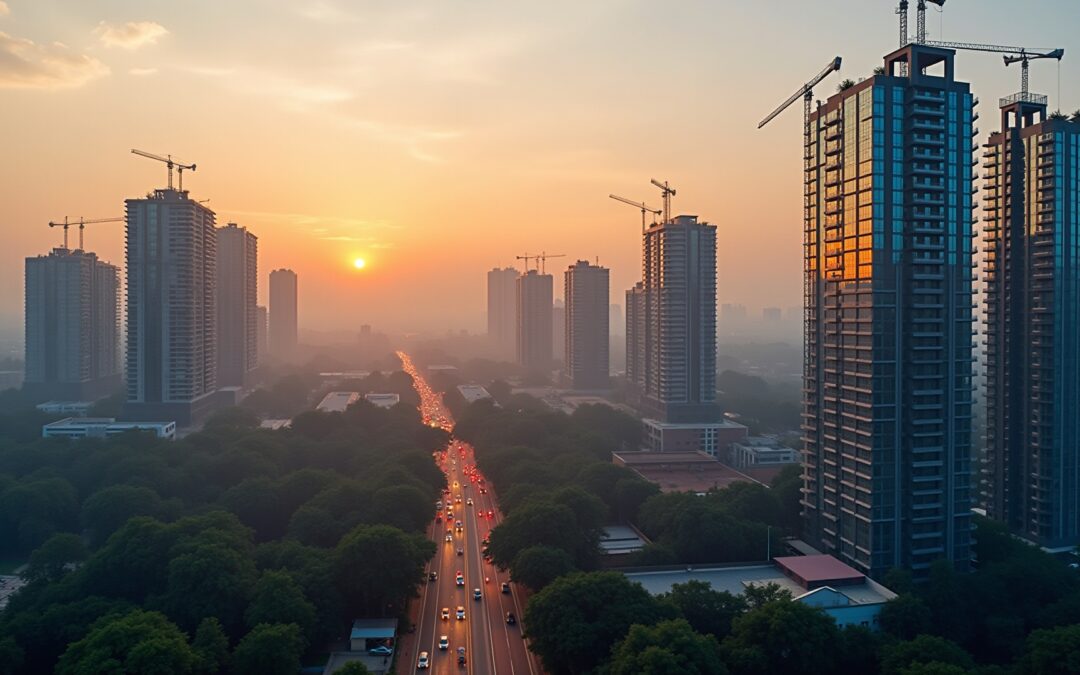
India’s real estate sector is undergoing a transformative phase, marked by a discernible shift from long-established metropolitan cores to emerging urban clusters in tier II and tier III cities. This evolution is not merely a matter of geography but reflects deeper strategic imperatives for developers, investors, occupiers, and urban planners seeking sustainable growth and resilient returns in the coming decade.
At the heart of this shift lies the rapid upgrading of urban infrastructure, enhanced connectivity, and growing affordability—factors that collectively orchestrate new development dynamics across residential, commercial, and mixed-use segments. These emerging hotspots are evolving as essential pillars of India’s real estate growth narrative, expanding opportunities beyond saturated markets and redefining asset quality benchmarks.
Decoding the Drivers of Emerging Hotspots
Traditional real estate investment gravitated largely around metropolitan hubs due to concentration of economic activity, superior amenities, and established demand. However, rising land costs and infrastructural saturation have necessitated a strategic pivot. Emerging markets, supported by proactive urban infrastructure development—such as improved transport linkages, digital connectivity, and civic amenities—are now commanding institutional and developer attention.
For residential real estate, this translates into a balanced platform where mid-income housing demand intersects with ongoing premiumisation trends. Increasing urbanisation in peri-urban areas, combined with affordability constraints in metros, propels demand towards these growth corridors, paving the way for scalable township projects and integrated developments.
The commercial real estate landscape mirrors this transition. Global Capability Centers (GCCs) and expanding enterprises are increasingly leasing Grade A office spaces outside traditional metro centers, incentivized by improved infrastructure and cost efficiencies. This migration enhances rental yields, occupancy rates, and overall market depth in emerging hotspots.
Institutional and Capital Market Implications
Emerging hotspots are rapidly gaining traction among institutional investors and REITs, driven by the search for sustainable, income-generating assets in less crowded environments. The integration of proptech and sustainability frameworks in these regions not only uplifts asset quality but also aligns with increasingly stringent regulatory expectations and investor mandates on environmental, social, and governance (ESG) considerations.
From a capital allocation standpoint, these markets offer diversified risk profiles and compelling returns, blending early-mover advantages in land acquisition with enhanced liquidity prospects via higher occupier demand. Consequently, portfolio diversification strategies now emphasize exposure to tier II and III city real estate, complemented by digital transformation and green building certifications.
Strategic Insights for Industry Leaders
- Land and Development Strategy: Early engagement in growth corridors enables scalable, mixed-use development with forward-looking urban integration, benefiting from affordable land and nascent infrastructure upgrades.
- Occupier Demand Dynamics: With the expanding footprint of GCCs and enterprises, office leasing activity and demand for commercial spaces in emerging hubs are projected to rise, positively influencing rental and occupancy metrics.
- Capital and Investment Strategy: Institutional investors and REIT players must calibrate portfolios to include assets from these hotspots to capture long-term value creation while managing risk across geographies.
- Sustainability and Regulatory Alignment: Embracing green building practices and sustainable development is vital to enhancing asset quality, meeting evolving compliance requirements, and attracting premium tenants and investors.
Conclusion: Positioning for Sustainable Growth
For developers, occupiers, and capital providers, the emerging real estate hotspots in India represent strategic frontiers rather than peripheral options. The capacity to anticipate, understand, and engage with these markets offers competitive advantages in land acquisition, tenant diversification, and investment returns. Coupled with the rising influence of proptech and sustainability imperatives, these regions will play an integral role in shaping India’s urban growth and real estate investment future.
As India’s real estate landscape evolves, recognizing the strategic significance of these hotspots is critical for decision-makers striving for resilience, quality, and growth in a highly competitive market environment.