
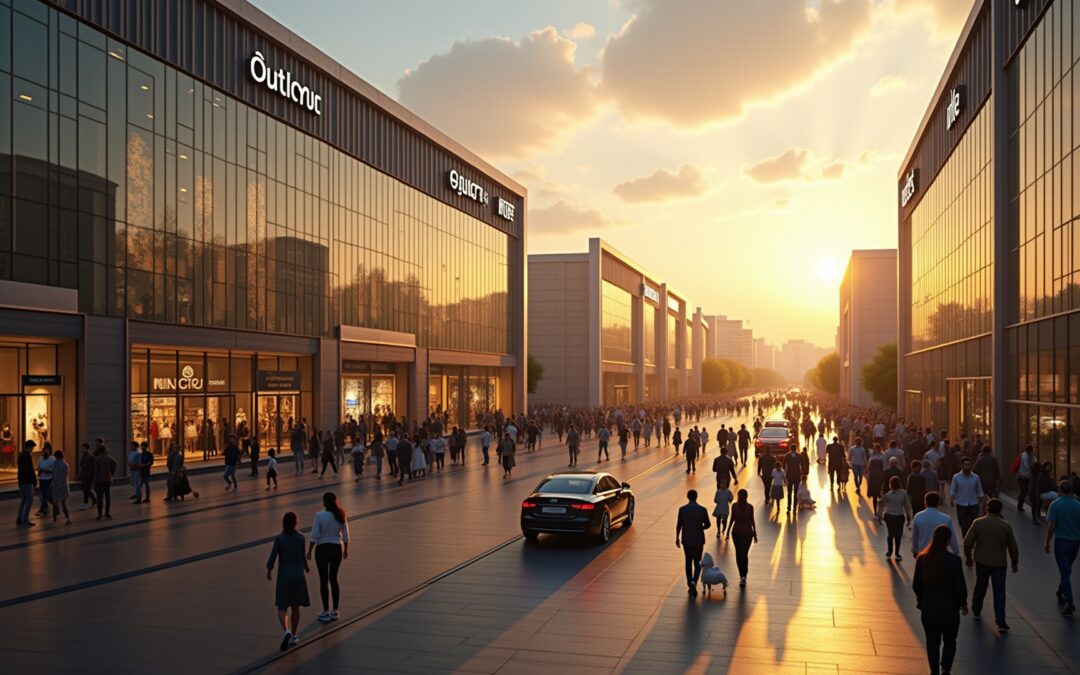
The launch of the Outlet Mall of India in Bhiwandi marks a pivotal moment in India’s retail real estate landscape, embodying the evolving dynamics of urban expansion, consumer behavior, and strategic asset development beyond traditional metropolitan centers. For industry leaders and investors, this project offers a compelling case study in leveraging tier II urban nodes to create resilient, experience-driven retail environments aligned with broader economic and infrastructure trends.
New Horizons in Retail Real Estate Strategy
Bhiwandi’s emergence as a retail destination is anchored in its strategic position within the Mumbai metropolitan region, characterized by rapidly improving infrastructure and abundant land availability. These factors present a unique opportunity for retail developers to tap into expanding consumer bases outside Mumbai’s saturated core, a market where land costs and competition have escalated markedly.
The Outlet Mall of India adopts an outlet shopping model, a format that resonates deeply with India’s growing middle class who seek branded merchandise and luxury goods at value prices. This model aligns with a broader shift in retail real estate towards experience-led environments that blend value, convenience, and lifestyle appeal to sustain footfalls amid the challenges posed by e-commerce.
Implications for Developers and Investors
For developers and institutional investors, the Bhiwandi project underscores the strategic importance of diversifying retail portfolios through assets located in emerging growth corridors. These corridors benefit from enhanced regional infrastructure, which supports efficient supply chains and bolsters last-mile connectivity — critical components in sustaining leasing demand and driving asset quality over the long term.
Moreover, the integration of retail assets within mixed-use urban ecosystems is a key trend illustrated by the Outlet Mall of India. By creating synergies between residential, commercial, and logistics components in the same or proximate locales, developers can optimize occupancy rates and create self-sustaining demand pools, enhancing long-term commercial viability.
Urban Growth and Economic Development Nexus
Bhiwandi’s growth trajectory is reflective of a broader urbanisation pattern in India, where tier II and tier III cities are gaining traction as investment and development hotspots. The multi-modal transportation infrastructure connecting Bhiwandi with Mumbai and neighbouring industrial hubs accentuates its role as an economic catalyst, enabling a sustainable increase in disposable incomes and expanding retail catchments.
From a policy perspective, such developments highlight the necessity for balanced metropolitan expansion strategies that integrate retail, housing, and commercial infrastructure effectively. This not only generates employment but also supports urban planners in managing metropolitan sprawl and traffic congestion by decentralizing retail consumption.
Looking Ahead: Strategic Considerations and Market Outlook
As retail real estate evolves amidst shifting consumer preferences and urban growth patterns, the Outlet Mall of India serves as a blueprint for future projects focused on value-driven luxury formats in suburban markets. Investors, particularly those involved in retail-focused REITs and institutional capital allocation, should monitor such assets for their potential to deliver stable income streams through diversified tenancy and growing regional shopper bases.
Developers must continue to emphasize locational advantage, experiential asset quality, and integration within comprehensive urban growth corridors. Achieving operational efficiencies and curating tenant mixes that align with local demographics will be fundamental in maintaining competitive edge against both digital retail and traditional mall offerings.
In conclusion, the Outlet Mall of India exemplifies the significant opportunities emerging beyond India’s metro retail hubs. It signals a strategic shift towards suburban retail environments that balance consumer aspirations, asset resilience, and urban infrastructure growth. For real estate leaders, investors, and policymakers, projects like these reaffirm the importance of targeted land acquisition, sustainable development, and adaptive retail strategies that anticipate long-term market transformations.