
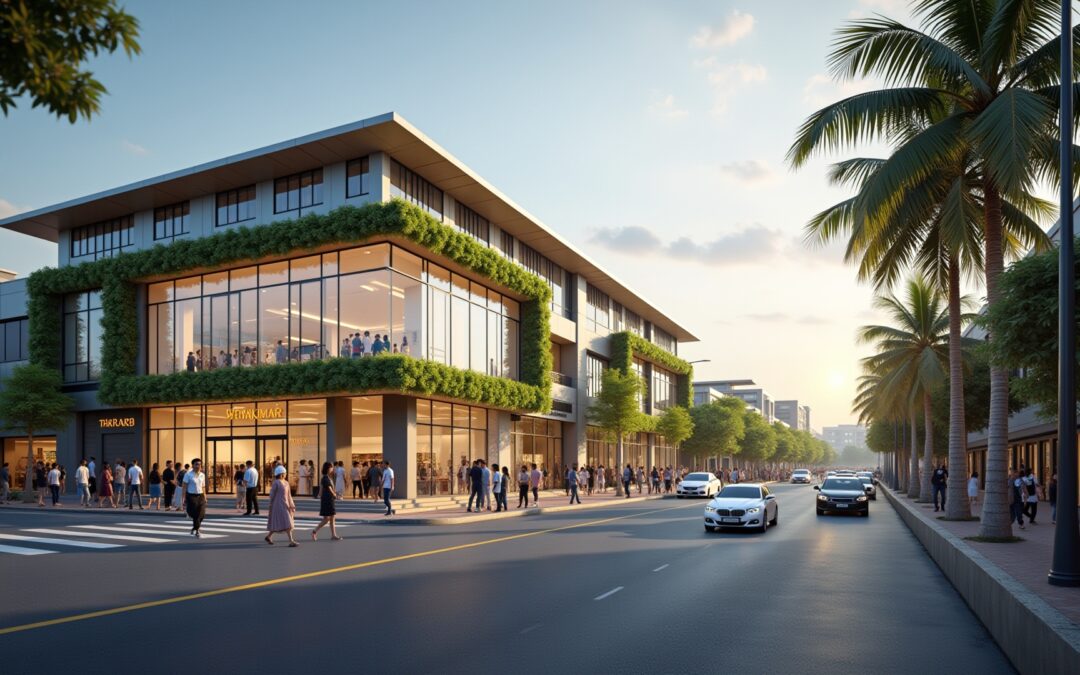
Loomcraft’s recent foray into the Kerala market marks a pivotal development at the intersection of retail growth and real estate strategy in South India. This move signifies more than a simple geographical expansion; it reflects a broader trend of evolving urban infrastructure and consumer sophistication impacting commercial real estate demand in emerging regional hubs.
Contextualizing Loomcraft’s Expansion into Kerala
Loomcraft, known for its artisanal craftsmanship and premium product offerings, has chosen Kerala for its newest store launch, aligning with the state’s rising urbanisation and improving retail infrastructure. Kerala’s growing middle-to-affluent consumer segments, alongside enhanced disposable incomes and infrastructural upgrades, are transforming it into a compelling destination for retail real estate investments beyond India’s traditional metropolitan markets.
Strategic Implications for Retail Real Estate and Urban Development
- Unlocking Potential in Secondary Markets: The brand’s entry underscores an increasing investor confidence in tier-II and tier-III cities like those in Kerala, urging commercial developers to expand their horizon beyond saturated metro centers.
- Enhancing Asset Quality and Tenant Profile: With premium tenants such as Loomcraft, developers can elevate their asset positioning, attract discerning shoppers, and command stronger rental yields, thereby boosting long-term property value and occupancy rates.
- Shifts in Consumer Demand and Experience: Modern retail formats driven by evolving shopping behaviors emphasize experiential retail, compelling landlords and developers to adapt design, location, and tenant mix strategies accordingly.
- Synergy Between Infrastructure and Commercial Growth: Kerala’s ongoing urban infrastructure improvements dovetail with retail ecosystem evolution, positively influencing land valuations, leasing momentum, and asset appreciation trajectories.
What Commercial Real Estate Stakeholders Should Prioritize
Developers, institutional investors, and commercial landlords focusing on South India’s retail real estate must integrate comprehensive mixed-use development concepts that mesh retail, office, and residential spaces to foster vibrant and sustainable hubs. Data-centric approaches in site selection and tenant curation become indispensable for optimizing asset performance in these growing markets.
Loomcraft’s strategic move serves as an early endorsement for Kerala’s rising commercial real estate appeal, signaling wider patterns likely to emerge across other emerging markets in South India. For institutional capital and real estate leaders, this emphasizes the importance of recalibrating investment theses to capture diversified urban growth and retail consumption dynamics beyond the metros.
Conclusion: Strategic Positioning Beyond Traditional Retail Hubs
Loomcraft’s Kerala store launch highlights critical shifts in South India’s retail real estate landscape, positioning the region as a significant growth corridor amid accelerating urban transformation. The convergence of retail brand expansion with enhanced urban infrastructure offers a lucrative opportunity for developers, investors, and occupiers committed to sustainable, high-quality commercial real estate assets. Real estate leadership must recognize and act on these emerging trends to successfully navigate and capitalize on the future of retail and mixed-use asset development in India’s evolving urban context.